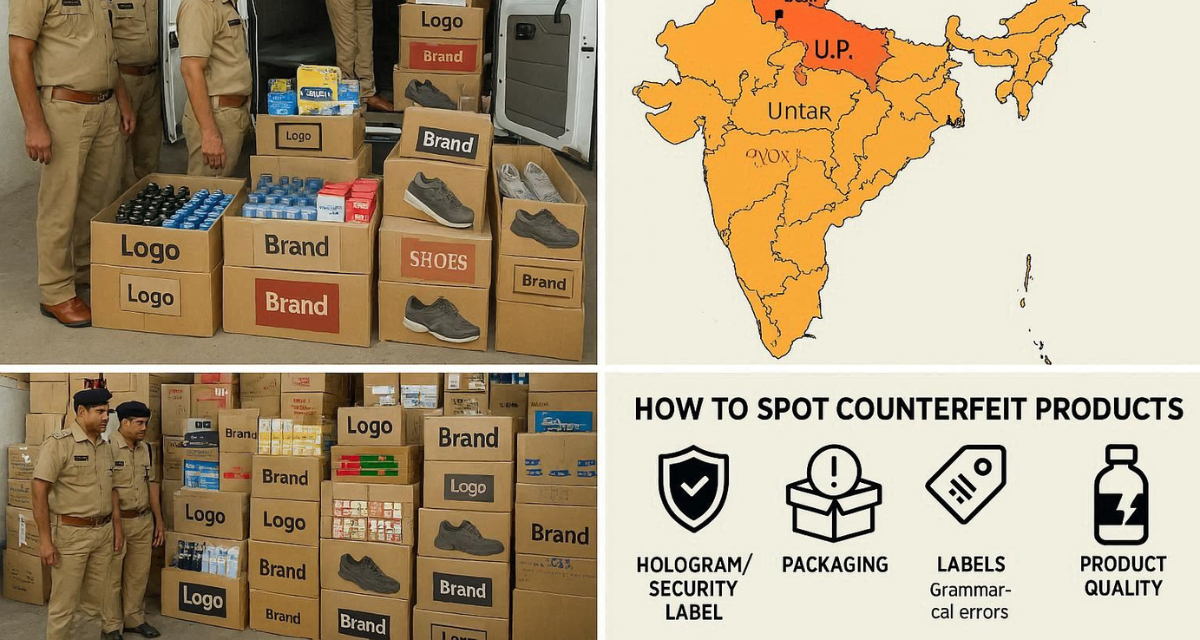
In an alarming crackdown that has sent shockwaves across the country, police and food safety authorities have uncovered a widespread network of counterfeit manufacturing units producing fake versions of everyday household essentials. From cooking oils and ghee to popular toothpaste and even antacids, these fake products are being sold under trusted brand names — putting millions of Indian households at serious health risk.
Nationwide Raids Uncover Massive Counterfeit Operations
Over the past few weeks, authorities in Uttar Pradesh, Gujarat, Delhi, and several other states have conducted multiple raids on illegal factories and godowns. The operations targeted counterfeit versions of popular brands, including:
- Fortune refined cooking oil
- Mangalmoorti ghee
- ENO antacid sachets
- Nescafé coffee
- Sensodyne toothpaste
- Veet cream
In one of the most disturbing cases, a factory in Surat, Gujarat, was found operating for nearly two years. The unit was diluting small quantities of real ghee with cheap vegetable fats, palmolein oil, and harmful chemicals to produce over 2,000 kg of fake ghee. The adulterated product was allegedly supplied to local dhabas, restaurants, grocery shops, and even wedding suppliers.
In Delhi, the Crime Branch busted illegal units in areas like Madhu Vihar and Kanjhawala, seizing over 1 lakh fake ENO sachets, 50,000 counterfeit Nescafé coffee sachets, and thousands of fake Sensodyne toothpaste tubes filled with unhygienic, low-grade paste mixed with chemicals.
Uttar Pradesh police also recovered hundreds of cartons of duplicate Fortune refined oil from a godown in Ayodhya. At the same time, similar operations involving fake khoya (mawa) — some of which were found swarming with flies — were destroyed before they could reach wedding and festival markets.
How the Counterfeiters Operate
The modus operandi is simple yet highly dangerous. Fraudsters use:
- Cheap vegetable oils and palm oil instead of pure refined oils
- Low-grade fats and chemical essences to mimic the texture, colour, and smell of genuine ghee
- Unhygienic raw materials and fillers for toothpaste and creams
- Fake packaging, holograms, and even printed FSSAI license numbers to make the products look authentic
These fake items are sold at lower prices, making them attractive to small shops, street vendors, and budget-conscious consumers.
Health Risks: Not Just Financial Loss
Health experts have issued strong warnings. Consuming these counterfeit products can lead to:
- Severe digestive issues and food poisoning
- Skin allergies and irritation (especially from fake toothpaste and creams)
- Long-term toxicity from harmful chemicals and adulterants
- Increased risk during festive seasons when consumption of sweets, oils, and ghee spikes
One raid even uncovered fly-infested khoya being prepared for weddings — a chilling reminder of how deep this problem runs.
What Should You Do? Expert Advice for Consumers
Authorities are urging every Indian household to stay vigilant, especially ahead of the upcoming festival and wedding season. Here are key safety tips:
- Always check the hologram, batch number, and manufacturing/expiry date on the packaging.
- Buy from authorised retailers and reputed stores instead of roadside vendors or unverified online sellers.
- Look for the FSSAI license mark and verify it if possible.
- Be suspicious of unusually low prices on branded products.
- Report any suspicious items to the local food safety department or police.
A Wake-Up Call for India’s Food Safety
This surge in counterfeit raids highlights a growing menace in India’s consumer goods market. While the authorities deserve credit for these swift actions, the scale of the problem shows that counterfeiters are becoming bolder and more sophisticated. As consumers, our health and safety depend on awareness and careful choices. In an era where we trust brands for quality and purity, these incidents serve as a stark reminder: always verify before you buy.
Have you ever received a suspicious-looking product? What precautions do you take while shopping for daily essentials? Share your thoughts and experiences in the comments below. Stay safe, stay informed.